

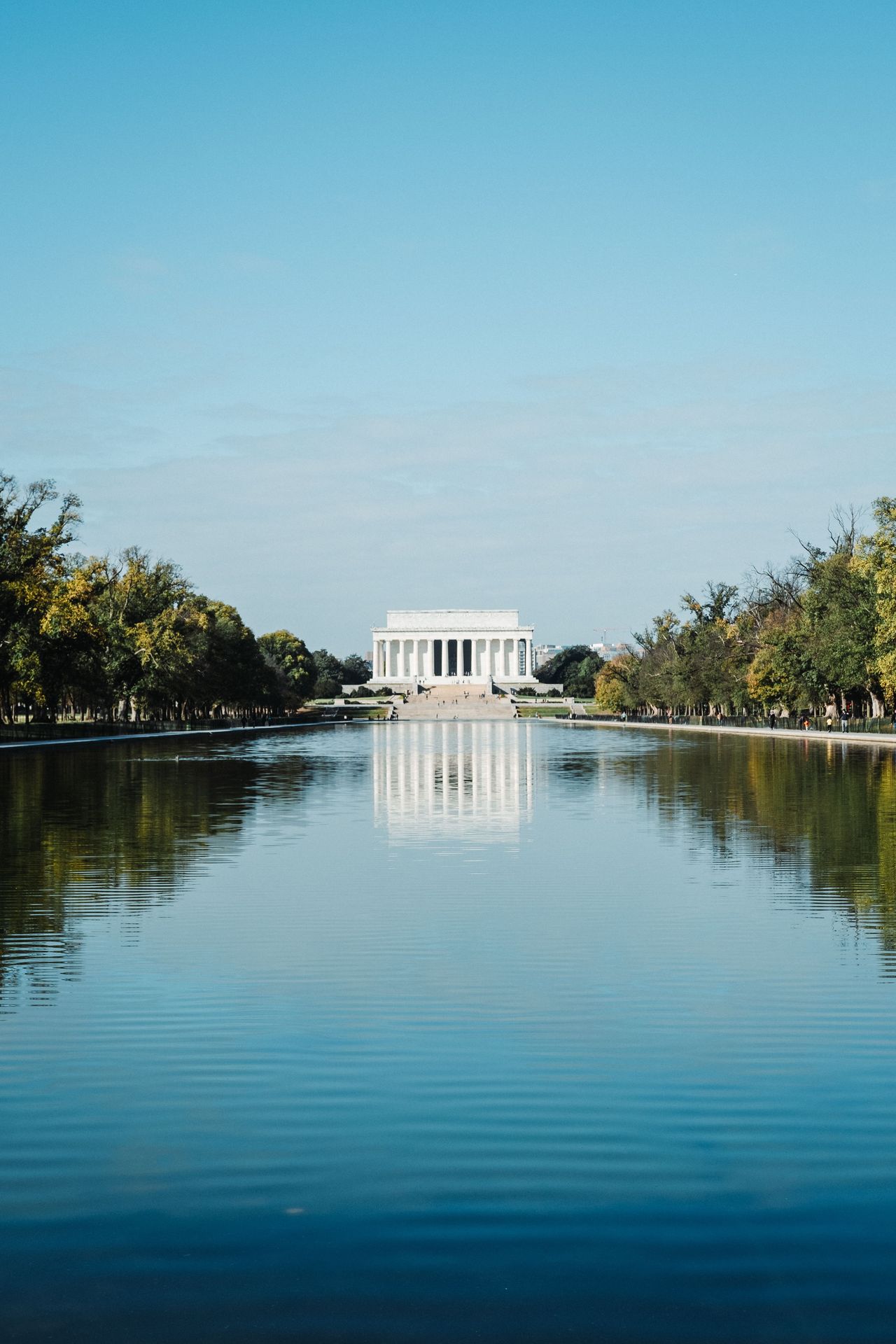
A vivid attempt to restore a landmark’s appearance created a new controversy almost immediately. What happened at the Lincoln Memorial reflecting pool is a reminder that even cosmetic fixes can unravel under real-world conditions.
Why the Reflecting Pool Changed Color
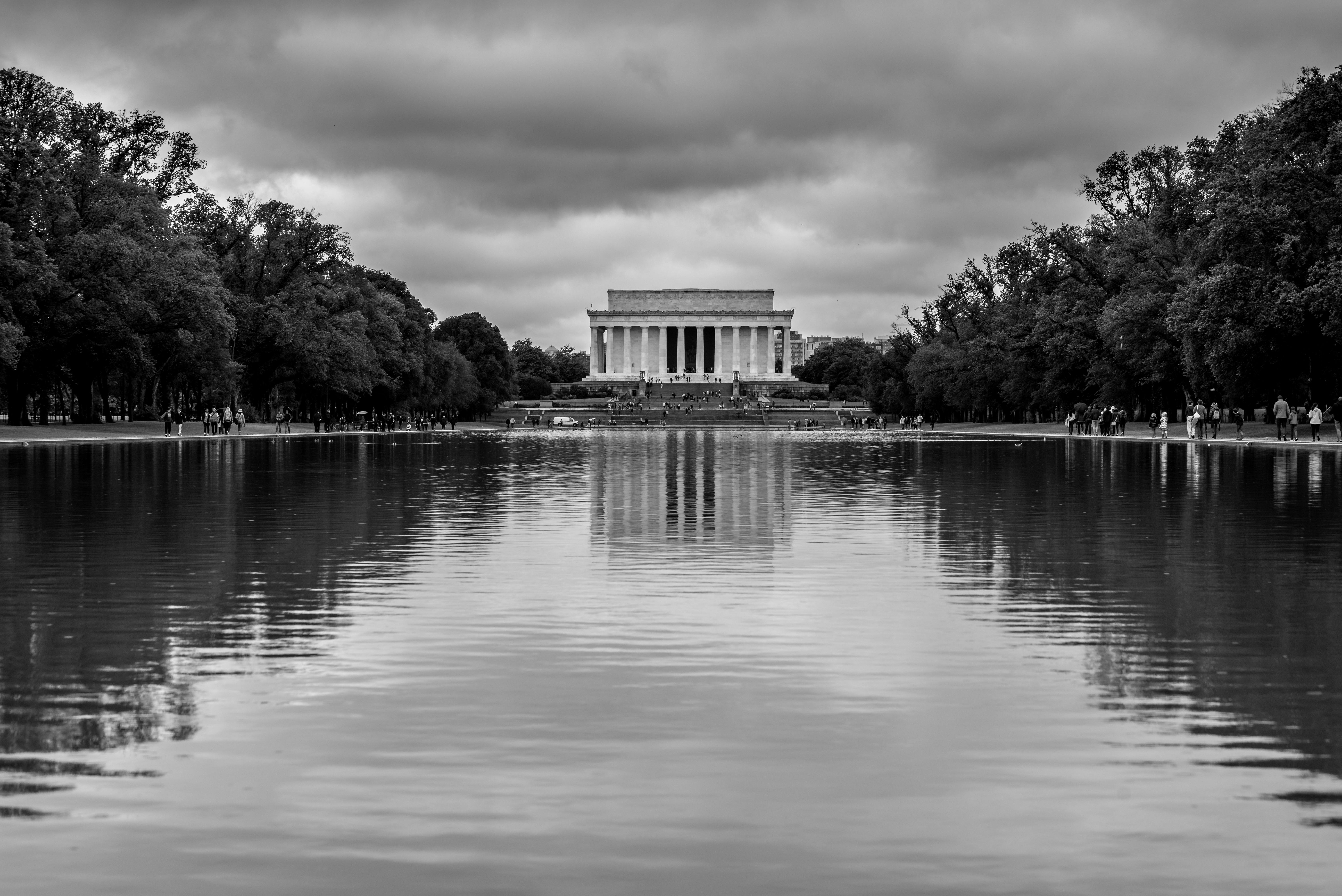
Visitors expect the Lincoln Memorial reflecting pool to mirror the monument and the Washington skyline in a calm, neutral surface. Instead, the water recently drew attention for an unwelcome reason: it had taken on a green tint linked to algae growth. In warm weather, shallow public water features can become especially vulnerable to algae, particularly when sunlight, nutrients, and stagnant conditions combine.
Officials responded with a visual solution that made the basin appear bluer, but the move quickly became noticeable for another reason. Blue coating applied to the bottom of the pool began peeling away, creating patches and flakes that raised questions about whether the treatment had been appropriate for such a prominent site. For many observers, the peeling itself became more distracting than the original discoloration.
The issue may sound minor, but in a landmark setting it carries outsized significance. The reflecting pool is not just decorative infrastructure; it is one of the most photographed and symbolically loaded spaces in the nation’s capital. Any visible change, especially one that appears improvised or temporary, draws public scrutiny fast.
According to reporting on the incident, the central challenge was balancing appearance, water quality, and maintenance realities. A green cast suggests a biological problem, while peeling paint suggests a materials problem. Together, they point to the complexities of managing a historic water feature under modern environmental stress.
What Causes Algae in Monument Pools
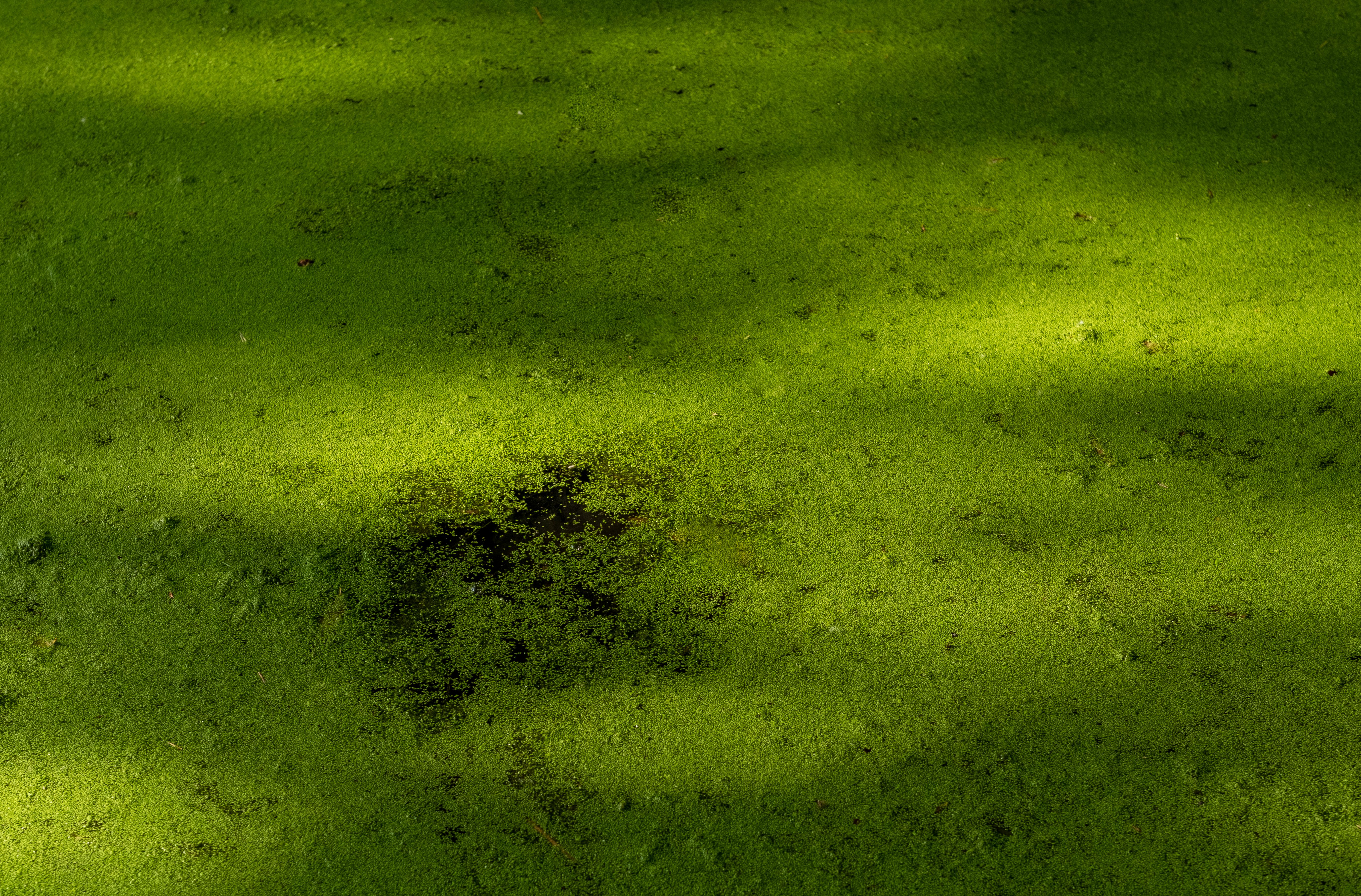
Algae blooms in pools and fountains are often driven by a simple combination of heat, sunlight, and available nutrients. Even in highly managed civic spaces, organic debris such as leaves, dust, bird waste, and airborne particles can feed growth. Once algae establish themselves, they can spread quickly across shallow, sunlit water and create a murky green appearance within days.
The Lincoln Memorial reflecting pool presents special maintenance challenges because of its scale and location. It stretches dramatically between the memorial and the Washington Monument, making circulation, cleaning, and water treatment more complicated than in a small ornamental fountain. Large surface area means more sun exposure, while constant tourist traffic can add debris and strain normal upkeep routines.
Climate conditions also matter. Washington summers are increasingly hot, and warmer water generally favors algae growth. Longer heat waves can make routine treatment less effective, especially if pumps, filtration systems, or chemical balancing are not perfectly aligned with changing weather and visitor patterns.
Experts in water management often stress that color is only one indicator of overall condition. Water may look clean while harboring growth, or look discolored without posing a major health risk. In this case, the green hue became a public-facing symptom of a broader operational issue, pushing managers toward a quick visual correction that may not have addressed the underlying ecology of the pool.
Why the Blue Paint Started Peeling

Paint failure in aquatic settings usually points to a mismatch between the coating, the surface, and the environment. If a basin coating is not designed for prolonged immersion, or if the substrate is not fully prepared before application, adhesion problems can appear quickly. Peeling, blistering, and flaking are especially common when moisture gets beneath the surface layer or when temperature swings stress the bond.
Historic sites add another layer of difficulty because repairs cannot be approached like routine commercial pool maintenance. Materials must often be chosen with preservation concerns in mind, and work may be constrained by schedules, budgets, public visibility, and the need to avoid damaging original structures. A solution that works in a resort or municipal facility may not perform the same way in a monumental reflecting pool.
Timing may also have mattered. If a coating is applied under less-than-ideal weather conditions, or before the surface is fully dry and stable, the finish can deteriorate rapidly once the basin is refilled. Heavy ultraviolet exposure and constant contact with treated water can accelerate breakdown, making any imperfection immediately obvious.
The result is both aesthetic and practical. Peeling paint undermines the intended visual effect, but it can also create additional maintenance burdens if chips need to be removed and surfaces recoated. At a high-profile landmark, such visible deterioration can make the public question not only the repair itself, but the broader stewardship of the site.
Why the Incident Matters Beyond Appearance

For the National Mall, appearance is inseparable from public meaning. The reflecting pool has served as the backdrop for presidential ceremonies, mass demonstrations, tourist photography, and major moments in civil rights history. Because it sits at the center of American civic imagery, even maintenance decisions can take on symbolic weight far beyond their technical purpose.
There is also a broader public-administration lesson here. Quick fixes often satisfy immediate visual expectations, but if they fail, they can erode confidence and increase long-term costs. A green pool may suggest neglect, yet a peeling blue coating can suggest rushed decision-making. In either case, the public sees the result, not the constraints behind it.
The episode also reflects a growing challenge for cities and federal sites alike: preserving iconic spaces in harsher environmental conditions. Heat, algae, storms, and heavier visitor use are placing new demands on aging infrastructure. Water features that once required predictable seasonal maintenance may now need more adaptive, science-based management strategies.
In that sense, the pool’s peeling paint is not just a local curiosity. It is an example of how climate pressure, preservation standards, and public expectations collide in real time. Landmark maintenance has become more visible, more technical, and more politically sensitive than many people realize.
What a Better Long-Term Fix Could Look Like
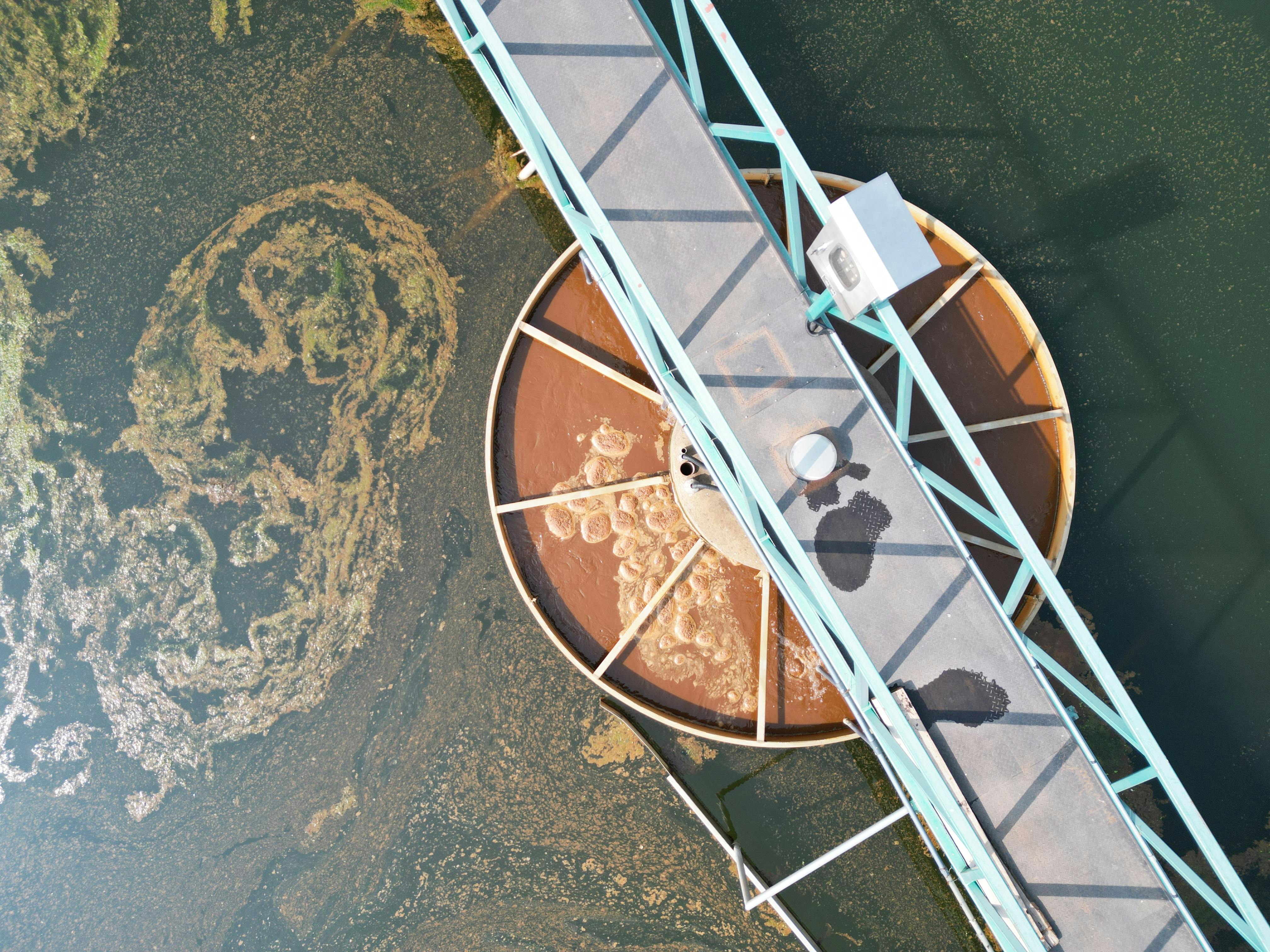
A more durable response would likely begin with addressing the algae problem at its source rather than masking the water’s appearance. That can include improved circulation, better filtration, more precise water treatment, and closer monitoring during peak summer conditions. In large reflecting pools, prevention usually works better than repeated cosmetic intervention after discoloration becomes visible.
Surface treatments, if needed, should be selected for compatibility with constant immersion and the specific construction materials of the basin. Preservation engineers and water-management specialists typically recommend careful testing before full application, especially at nationally significant sites. Small pilot areas can reveal whether a coating will hold up under sunlight, chemistry, and repeated filling cycles.
Public communication matters too. When managers explain why discoloration occurs, what options are being evaluated, and why some fixes are only temporary, the public is more likely to understand the tradeoffs. Transparency is particularly important at places that carry civic and historical importance, where even routine upkeep can become a national talking point.
Ultimately, the Lincoln Memorial reflecting pool needs to look dignified, but it also needs to function reliably. The lesson from the peeling blue paint is straightforward: a landmark this important requires solutions built for endurance, not just immediate visual relief.