

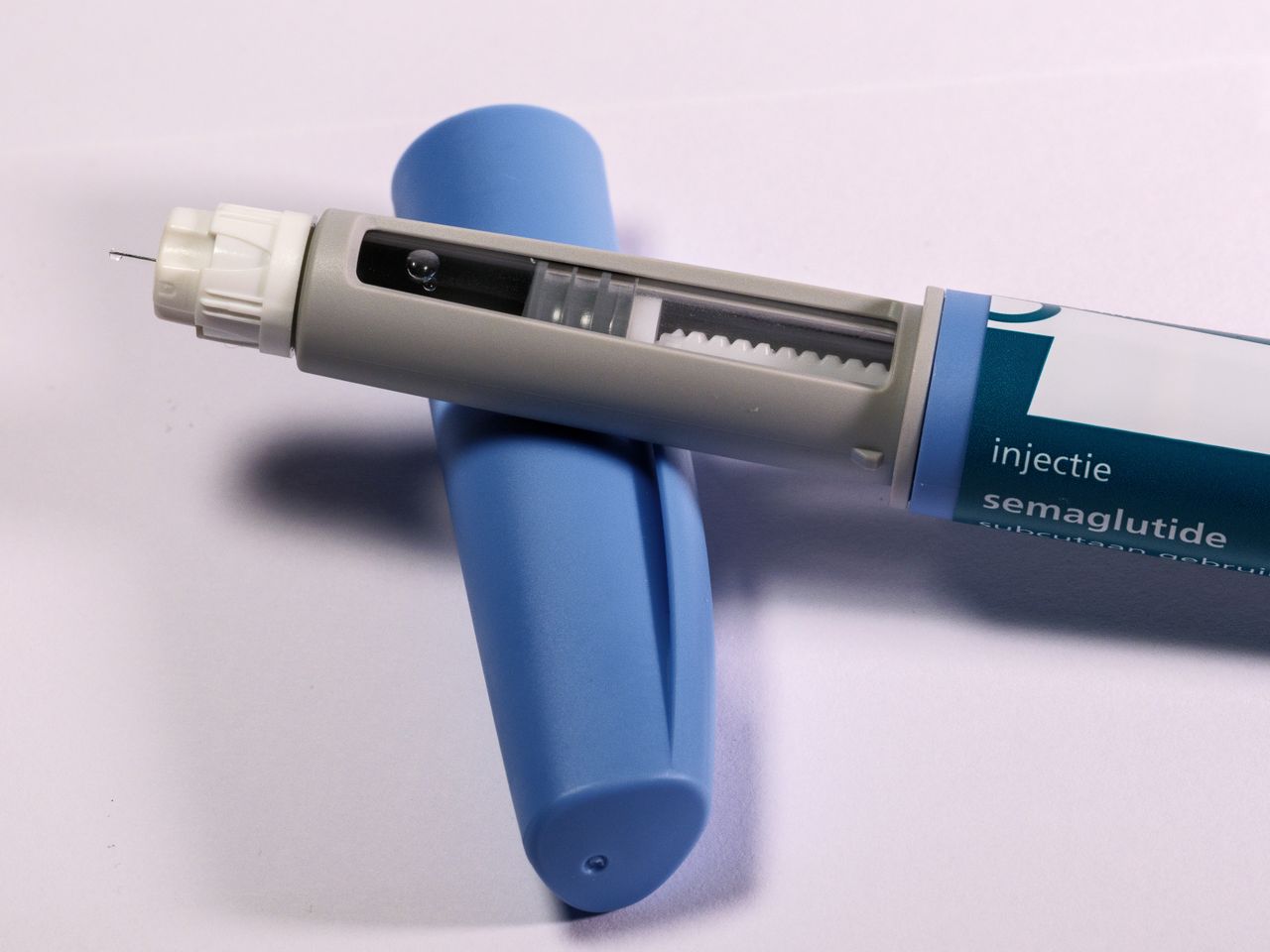
Weight-loss drugs are changing more than waistlines. Researchers now say they may also help some men improve fertility.
Why scientists are paying attention to GLP-1 drugs

GLP-1 drugs such as semaglutide and liraglutide were developed to help manage type 2 diabetes and, later, obesity. They work by mimicking a gut hormone that helps regulate blood sugar, slows stomach emptying, and reduces appetite. As their use expanded, doctors began noticing broader effects on heart health, inflammation, and hormone balance. That has prompted researchers to ask whether these medicines might also influence reproductive health in men.
The question is grounded in a well-known medical reality: obesity and metabolic disease can impair fertility. Men with obesity are more likely to have lower testosterone, increased estrogen activity, insulin resistance, and chronic inflammation, all of which can disrupt sperm production. Excess body fat is also linked to heat stress around the testes, oxidative stress, and poorer semen quality. In that context, any treatment that improves metabolic health could potentially improve fertility too.
Recent small studies and early clinical reports have added to the intrigue. According to findings presented in recent years, men who lose meaningful weight, whether through lifestyle change or medication, may see improvements in testosterone and some sperm parameters. GLP-1 drugs stand out because they often produce larger and more sustained weight loss than older medications. That makes them an important new variable in fertility research.
What the early evidence shows

The current evidence is promising, but it is still developing. Some studies have found that men taking GLP-1 medicines experienced increases in total testosterone, improved erectile function, and better markers of metabolic health. In a fertility setting, those changes matter because reproductive function depends on a tightly coordinated network involving hormones, blood flow, and energy balance. Better overall health often creates better conditions for conception.
Researchers are especially interested in sperm concentration, motility, and morphology. A 2024 study and several recent reviews have suggested that weight loss associated with GLP-1 use may help preserve or improve sperm count in some men, especially those with obesity-related infertility. Not every study has shown the same degree of benefit, and some have not found a clear direct effect of the drugs on sperm cells themselves. That distinction is important.
So far, scientists tend to frame GLP-1 drugs as indirect fertility aids rather than dedicated fertility treatments. In other words, the medicines may help by lowering body weight, improving insulin sensitivity, and reducing inflammatory strain on the reproductive system. That is encouraging, but it also means men should not expect a universal or immediate boost in fertility simply from starting a prescription.
How can better metabolic health affect reproduction

Male fertility is closely tied to metabolic fitness in ways many people do not realize. Hormone production in the testes depends on signals from the brain, and those signals can be disrupted by obesity, sleep apnea, high blood sugar, and fatty liver disease. When body weight falls, and insulin resistance improves, testosterone levels often rise as well. That can support libido, sexual function, and sperm production over time.
Inflammation is another major piece of the puzzle. Chronic low-grade inflammation, common in obesity, can damage cells and increase oxidative stress, which is harmful to sperm DNA and motility. GLP-1 drugs have been associated with reductions in inflammatory burden in some patients, though researchers are still defining how large that effect is. Even modest reductions could matter in men whose fertility has been affected by years of metabolic dysfunction.
There may also be behavioral and practical benefits. Men who lose weight often experience better sleep, more energy, improved exercise tolerance, and higher confidence, all of which can support reproductive health and relationships. Clinicians who treat infertility increasingly emphasize that fertility is not an isolated organ issue but a whole-body health issue. GLP-1 drugs fit that broader framework more than they fit the model of a direct reproductive therapy.
What doctors and patients should keep in mind?

Experts caution against oversimplifying the message. A man with infertility should not assume that taking a GLP-1 drug will correct low sperm count or overcome other causes such as varicocele, genetic conditions, infection, or prior chemotherapy. Male infertility has many causes, and a proper evaluation still matters. Semen analysis, hormone testing, and a review of lifestyle and medical history remain the foundation of care.
There are also open questions about timing. Sperm development takes roughly 70 to 90 days, so any meaningful change in semen quality may take several months to appear. Men trying to conceive may need patience and close follow-up rather than expecting quick results. Doctors also note that rapid weight loss, poor nutrition, or side effects such as nausea could complicate the picture if they reduce overall health or nutrient intake.
Medication choice matters too. Not every GLP-1-based treatment has been studied equally in men of reproductive age, and dosing, duration, and individual health status can influence outcomes. For some patients, the biggest benefit may be improved diabetes control; for others, it may be substantial fat loss and a rise in testosterone. The most responsible approach is individualized care guided by an endocrinologist, primary care physician, or fertility specialist.
What comes next in fertility research

The next step is better evidence. Scientists want larger, longer clinical studies that track semen quality, hormone levels, pregnancy rates, and live births, not just weight change. Those studies will help determine whether GLP-1 drugs offer a measurable fertility advantage beyond what can be achieved through weight loss alone. They may also show which patients benefit most, such as men with obesity, prediabetes, or low testosterone linked to metabolic disease.
Researchers are also exploring whether these drugs have any direct effects on the reproductive system. GLP-1 receptors have been identified in multiple tissues, raising the possibility that the medications may do more than simply improve body composition. That said, proving a direct biological effect is difficult, and scientists have been careful not to overstate what is known. For now, the strongest explanation remains improved metabolic health.
For couples trying to conceive, the emerging message is hopeful but measured. If male infertility is connected to obesity or diabetes, GLP-1 drugs may become part of a broader treatment plan that includes nutrition, exercise, sleep improvement, and specialist care. They are not miracle fertility drugs, but they may help create healthier conditions for reproduction. In medicine, that kind of indirect benefit can still be highly meaningful.