

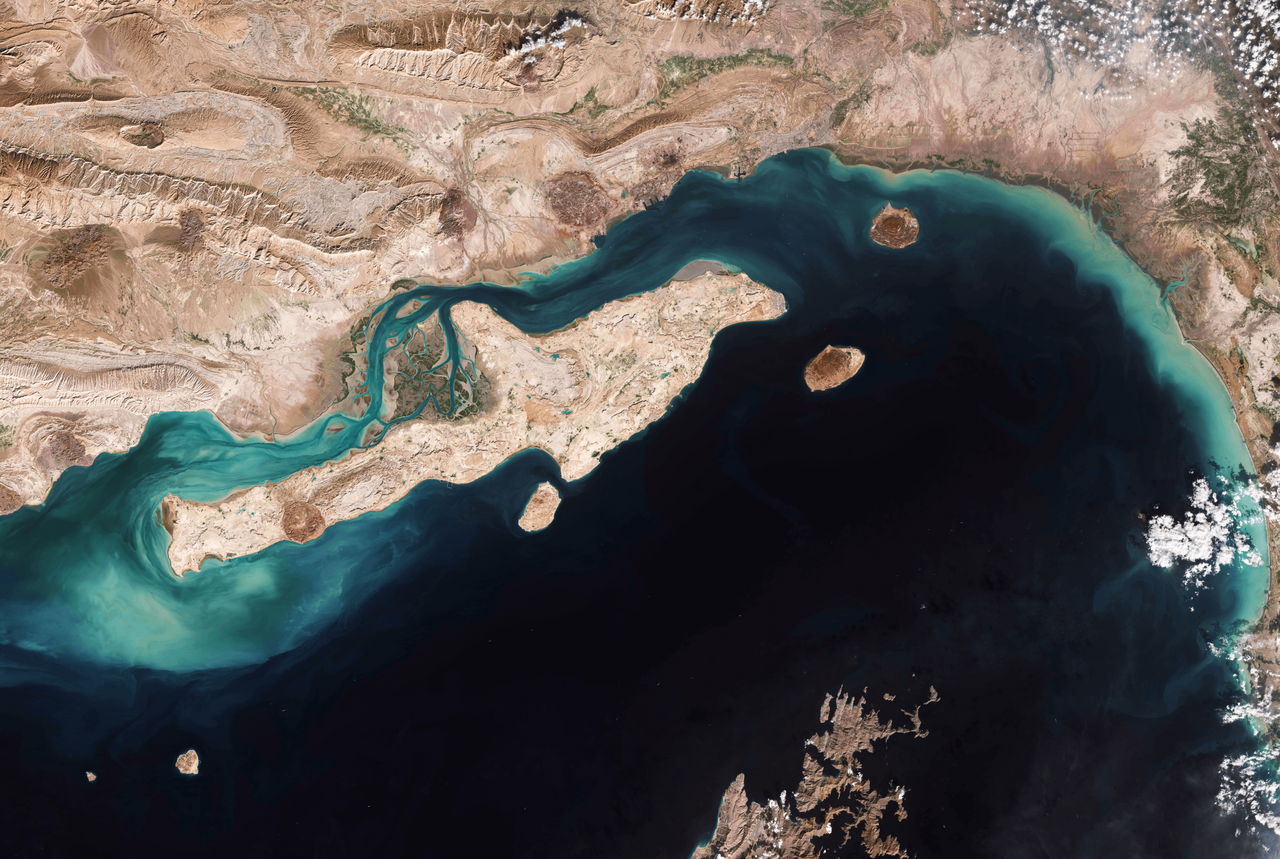
Diplomatic efforts to contain a wider Middle East crisis intensified on June 22 as U.S. and Iranian negotiators met in Switzerland amid pressure to preserve a ceasefire in Lebanon and protect shipping through the Strait of Hormuz. The immediate focus was on mediation by Qatar and Pakistan, which said the talks produced progress on arrangements tied to southern Lebanon and one of the world’s most important energy corridors.
Mediators say talks produced progress on Lebanon and Hormuz

Qatar and Pakistan said Monday’s talks between U.S. and Iranian officials in Obbuergen, Switzerland, delivered “encouraging progress,” according to the Associated Press. AP reported that the two sides agreed to create a de-confliction cell aimed at addressing fighting in Lebanon, while a senior U.S. diplomat also described progress on mechanisms meant to keep the Strait of Hormuz open and support the ceasefire in southern Lebanon.
The June 22 session followed a difficult start to the Switzerland mediation effort, which began a day earlier. AP reported that Iranian and U.S. officials were accompanied by Qatari and Pakistani representatives, underscoring the role of outside mediators in keeping the negotiations moving after public disputes threatened to disrupt them.
The scale of what is at stake remains substantial. AP has reported that before the war, roughly one-fifth of the world’s crude oil moved through the Strait of Hormuz, making any disruption there an immediate international economic issue. That has kept the negotiations centered not only on military de-escalation, but also on the practical question of whether commercial traffic can continue through the waterway.
Lebanon remains a pressure point as details stay limited

For Lebanon, the talks matter because the fighting in the country has repeatedly complicated the broader U.S.-Iran track. AP reported on June 19 that Israel and Hezbollah agreed to halt heavy fighting in southern Lebanon, though neither side immediately confirmed the truce at that time, and earlier exchanges had killed 47 people in Lebanon and four Israeli soldiers.
What is confirmed now is that the Switzerland talks are directly addressing southern Lebanon through a new de-confliction mechanism, as reported by AP. What is not yet known is how that mechanism will operate on the ground, who will participate beyond the U.S. and Iran, or whether it will produce a public enforcement structure tied to the ceasefire line in southern Lebanon.
Lebanon’s position in the negotiations also reflects how closely the country’s security has been linked to the wider regional conflict. AP previously reported that Iran had demanded that any lasting truce extend to Lebanon, and that continued hostilities involving Hezbollah and Israeli forces had already threatened to derail earlier diplomacy over Hormuz and the broader war.
Why the talks matter for residents and energy markets

The immediate cause of the mediation push is the risk that renewed violence in Lebanon could spill back into maritime disruption in the Gulf. AP reported that Tehran had at one stage said it had closed the Strait of Hormuz again, while negotiators later discussed mechanisms to keep the passage open and enforce a ceasefire in southern Lebanon.
That connection has practical consequences well beyond the region. AP reported that even after a tentative deal to reopen the strait, it could take weeks or months for oil to move normally again because tankers, insurers, and producers all need time to restore routine operations. In a separate update, U.S. Energy Secretary Chris Wright said 67 ships passed through the strait in a 24-hour period, a sign that some traffic was continuing even amid uncertainty.
For residents in Lebanon and for consumers watching fuel markets, the key near-term expectation is continued monitoring rather than a fully settled outcome. The mediators have described progress, not a final agreement, and AP’s reporting indicates the public still does not have a full technical roadmap for how the Lebanon de-confliction cell or Hormuz security mechanisms will function in the days ahead.