

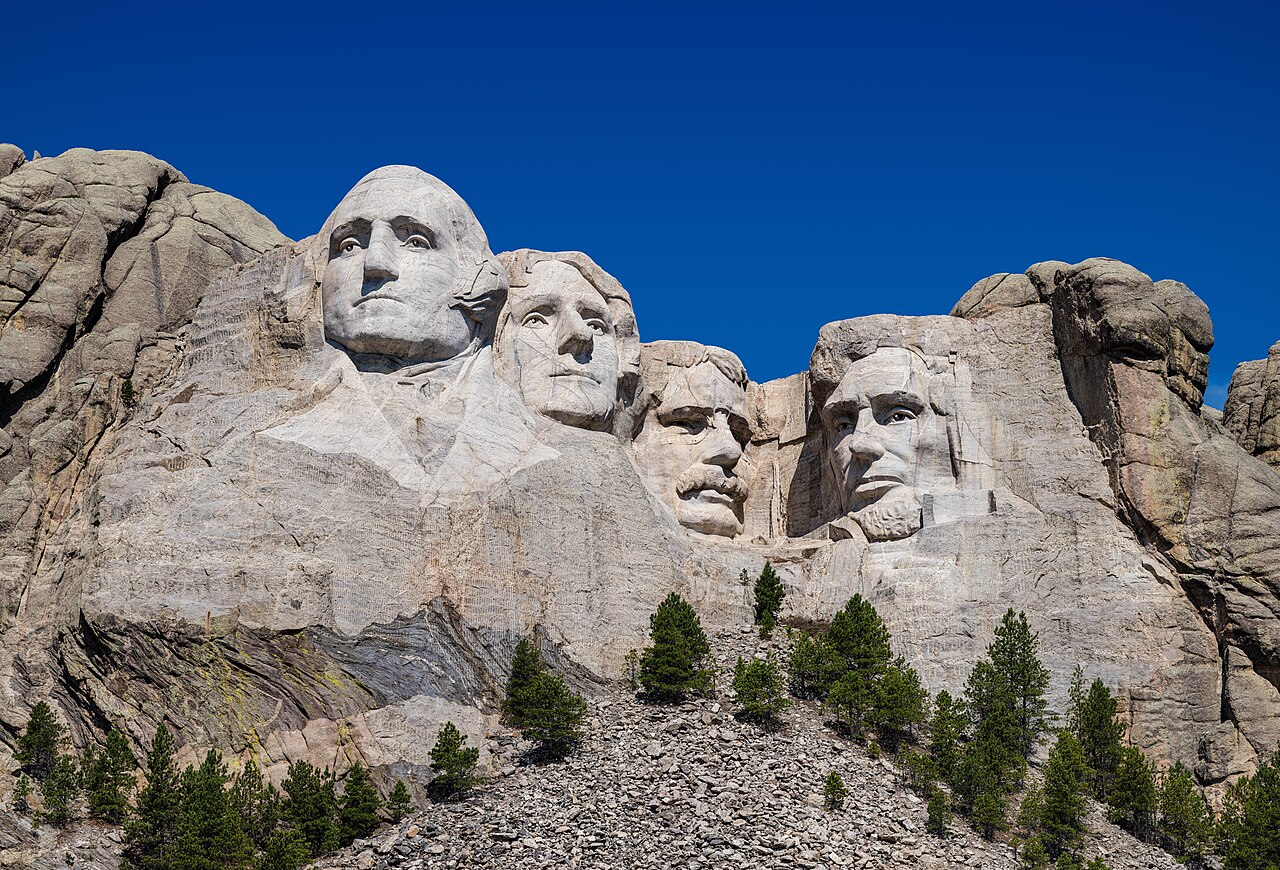
As national protests over race, monuments and policing reshaped political messaging in the summer of 2020, President Donald Trump increasingly framed the moment as a fight over American history and identity. On July 3, 2020, he brought that message to Mount Rushmore in Keystone, South Dakota, where he warned a holiday crowd about what he portrayed as a threat from progressive Democrats.
Trump’s Mount Rushmore speech put culture-war politics at center stage
Trump delivered the address at an Independence Day celebration at Mount Rushmore National Memorial on July 3, 2020, in front of thousands of attendees gathered for a fireworks event in the Black Hills. According to the official transcript published by the federal government, he used the speech to denounce what he called a “left-wing cultural revolution” and to portray his political opponents as a danger to the country’s history, institutions and future.
Wire-service coverage from The Associated Press and contemporaneous reports from major national outlets said the speech blended patriotic themes with overtly political attacks. Trump said protesters, activists and parts of the political left were seeking to erase American history by targeting statues, monuments and traditional civic narratives. He also linked unrest in U.S. cities to leadership in Democratic-run areas, using the event to sharpen distinctions ahead of the 2020 election.
The speech lasted about 41 minutes, according to PolitiFact’s review of Trump’s Independence Day weekend remarks. During that address, Trump cast the dispute over monuments and public memory as part of a broader ideological confrontation, arguing that his administration was defending national heritage while opponents were promoting intolerance and historical erasure.
The location gave the speech unusual significance. Mount Rushmore is one of the country’s most recognizable national memorials, and South Dakota officials had pushed to host the president for a high-profile Independence Day event. The gathering in Keystone drew national attention not only because of Trump’s remarks, but also because the setting turned a federal landmark into the stage for a major election-year message.
At the state and local level, the event focused attention on South Dakota’s tourism economy, public safety planning and the role of the Black Hills in national politics. Reporting at the time showed that thousands attended the event, and coverage from AP and other outlets noted that many in the crowd were seated closely together. The federal memorial, the city of Keystone and surrounding areas became central to a national debate over how public monuments were being used in a moment of political and cultural conflict.
What was not resolved that night was whether the speech would change the larger debate over monuments or public memory. But it clearly placed South Dakota at the center of a national argument, with Mount Rushmore serving as both a symbolic backdrop and a political platform.
The Mount Rushmore appearance came during weeks of nationwide demonstrations after the killing of George Floyd and amid disputes over Confederate monuments, memorials and historical symbols. According to AP and other reporting from that period, Trump and his campaign were increasingly emphasizing law-and-order themes and warning that Democrats were moving too far left on public safety, history and cultural issues.
In that context, Trump’s references to a “communist” or radical threat fit into a larger effort to define progressive Democrats through the language of ideological extremism. Fact-checking and analysis published later by The Associated Press said experts viewed those comparisons as historically inaccurate, noting that even Democrats who identify with democratic socialism do not advocate core communist principles such as abolishing private property or imposing central state control over the economy.
For readers and residents, the practical meaning of the speech was less about an immediate policy change in South Dakota than about how a national holiday event was used to frame campaign-season arguments. The Mount Rushmore address showed how one of the country’s best-known landmarks became a venue for a political warning that Trump would continue to repeat in later speeches and rallies.