

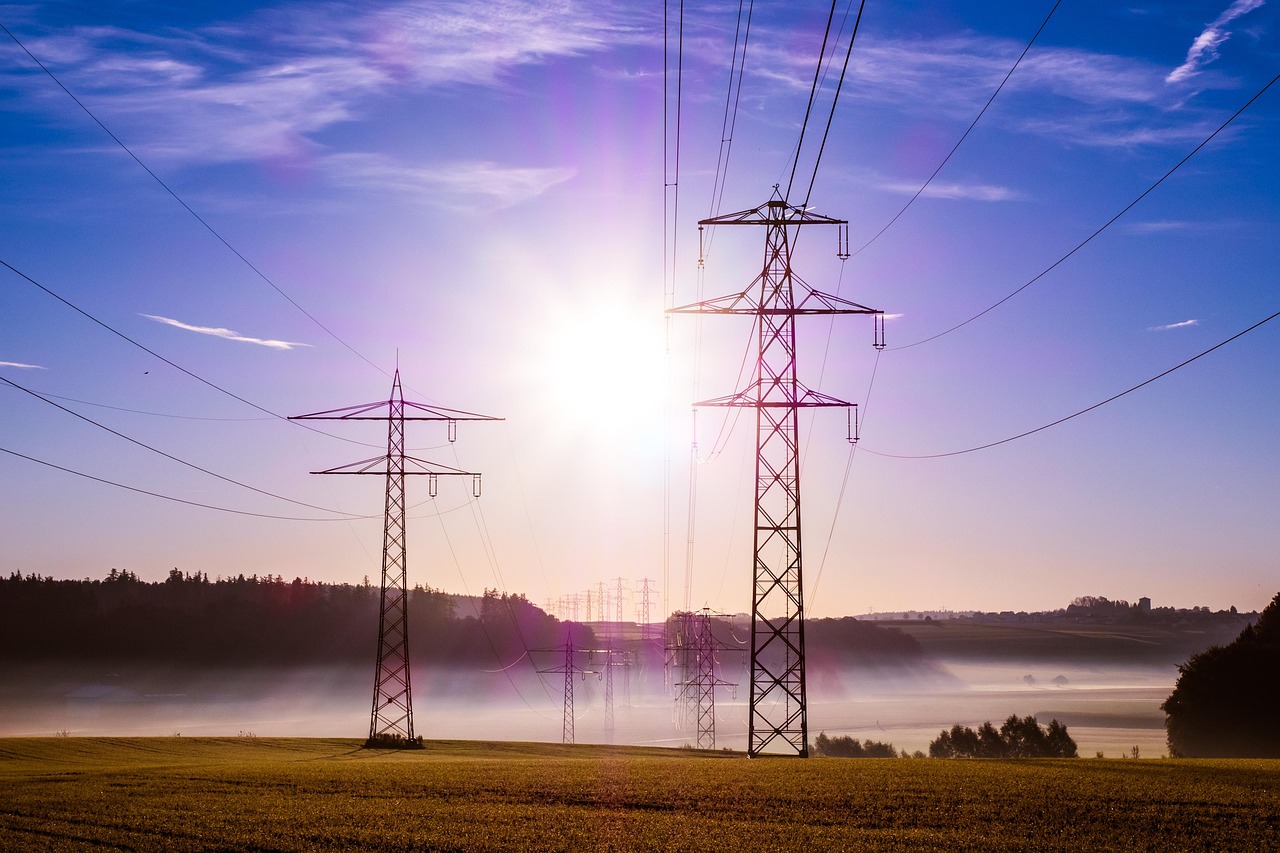
Americans are about to feel summer in their wallets. A fresh warning from NEADA suggests the cost of staying cool in 2026 will be steep.
Why NEADA’s warning matters right now

The National Energy Assistance Directors Association said the average U.S. household is projected to spend about $792 on electricity from June through September 2026. That is a 10.5% increase from last summer’s $717, and it would mark a new seasonal high for household cooling costs. The estimate has drawn attention because it captures both the price of power and the larger burden created by persistent heat.
NEADA released the outlook with the Center for Energy Poverty and Climate, arguing that energy affordability is becoming a broader middle-class issue rather than a problem confined to the poorest households. The group’s warning is landing at a moment when many consumers are already stretched by insurance, housing, groceries, and debt payments. A utility bill that rises sharply in the hottest months can quickly upset an already fragile monthly budget.
The group is also emphasizing that this is not just a story about discomfort. For seniors, low-income households, families with young children, and people with chronic health conditions, cooling is a health necessity. That is why NEADA is pairing its cost forecast with a renewed call for stronger aid programs and consumer protections.
What is driving the jump in electricity costs

The biggest force behind higher summer bills is simple: Americans use more electricity when temperatures rise and air conditioners run longer. Federal energy forecasts point to elevated cooling demand this year, with the U.S. Energy Information Administration expecting 2026 residential electricity prices to average about 18.2 cents per kilowatt-hour. That means even modest increases in usage can translate into noticeably higher bills.
Weather is a major wildcard, and the seasonal backdrop is not especially reassuring. Federal outlooks have pointed to above-average temperatures across much of the country, while FERC’s summer assessment warned that extreme heat could affect both electricity markets and grid reliability. When temperatures stay high overnight or heat waves last for days, home cooling systems work much harder and household consumption climbs fast.
The structure of the electric system also matters. Utilities are dealing with aging infrastructure, large capital spending plans, fuel costs, and growing demand from businesses and data centers in some regions. Even when wholesale fuel prices ease, customers do not always see immediate relief, because transmission investments, storm hardening, and other regulated costs continue to move into retail rates.
Where households may feel the pain most
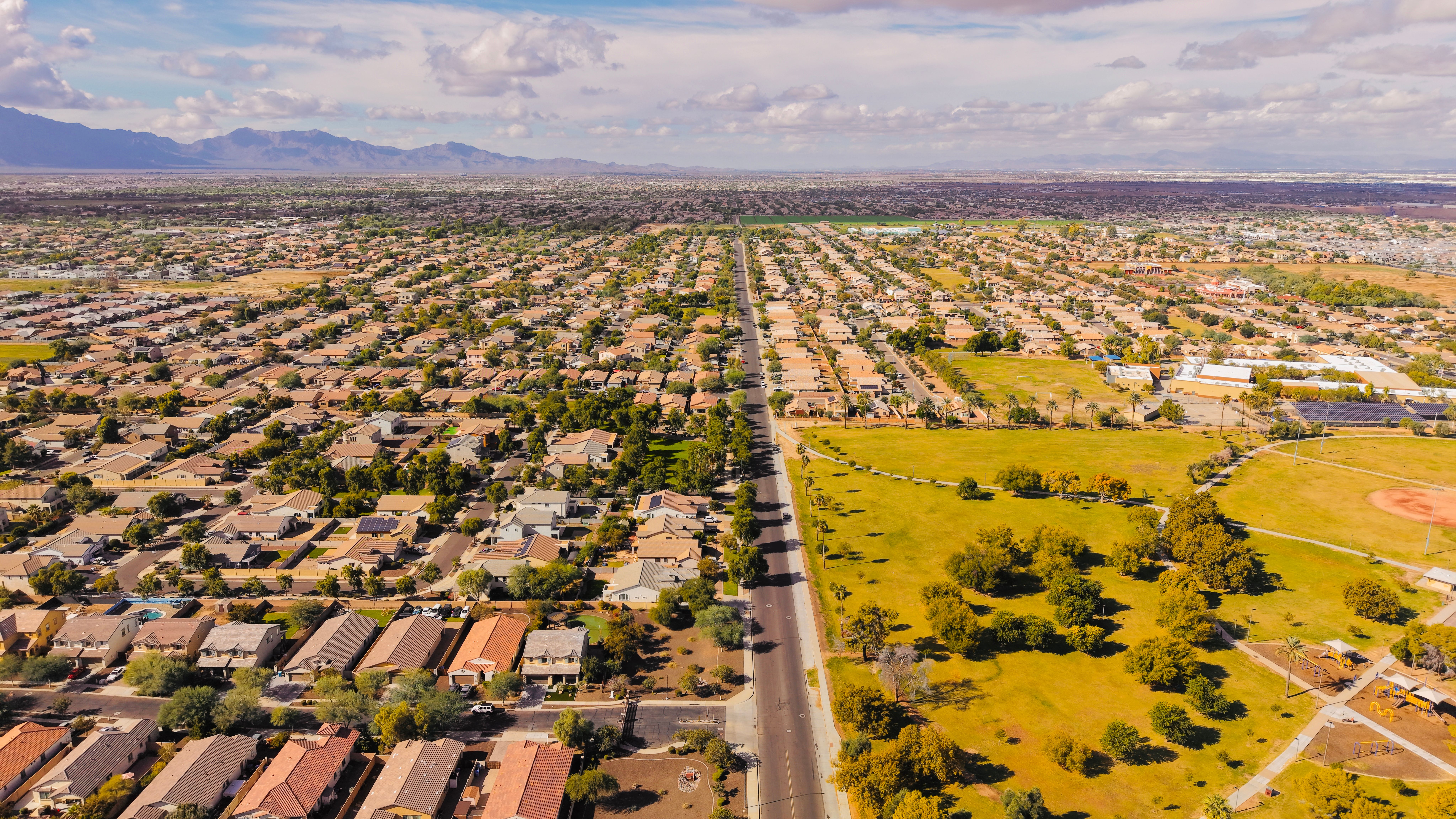
The national average hides major regional differences. According to reporting that cited the NEADA analysis, Arizona households are expected to face some of the highest summer electricity costs in the country, at roughly $1,060 for the June-to-September period. By contrast, Washington and North Dakota were projected among the lowest at about $488, showing how climate and local rate structures can produce dramatically different outcomes.
Sun Belt states are especially exposed because long, hot summers push air-conditioning use from occasional to constant. In places such as Arizona, Texas, Nevada, and parts of the Southeast, the question is not whether residents will cool their homes, but how many hours a day they can afford to do it. That makes rate increases more punishing than they might be in milder climates.
Housing quality also shapes the burden. Older homes with weak insulation, drafty windows, or outdated HVAC systems can consume far more power than newer, tighter buildings. Renters often have the least control over those efficiency problems, yet they still absorb the monthly cost when outdoor temperatures spike.
Why is this becoming a bigger affordability crisis

Electricity has become one of the stickier household expenses in the inflation era. Federal data show residential electricity prices have continued to rise, and broader reporting has noted that monthly power bills have climbed significantly over the past several years. Unlike discretionary spending, electricity is hard to cut deeply during a heat wave without sacrificing health, sleep, and basic safety.
That is why energy advocates increasingly describe utility affordability as a structural problem rather than a temporary seasonal headache. NEADA has warned that many households already devote an outsized share of their income to home energy, especially lower-income families. When that burden rises in summer, people may delay other essentials, carry balances on credit cards, or fall behind on rent and medical bills.
Arrearages and shutoff risk remain part of the picture as well. Even households that stay current most of the year can slip into debt after one or two extreme-bill months. Once late fees, deposits, or reconnection charges are added, the true cost of high summer usage can linger well beyond September.
What can consumers do to reduce the damage?
Households cannot control utility rate cases or national weather patterns, but they do have a few practical ways to reduce the hit. The most immediate steps are behavioral: raising the thermostat a few degrees when away, using ceiling fans correctly, closing blinds during peak sun, and avoiding heat-producing appliances in the hottest hours. Small adjustments matter more when rates are rising.
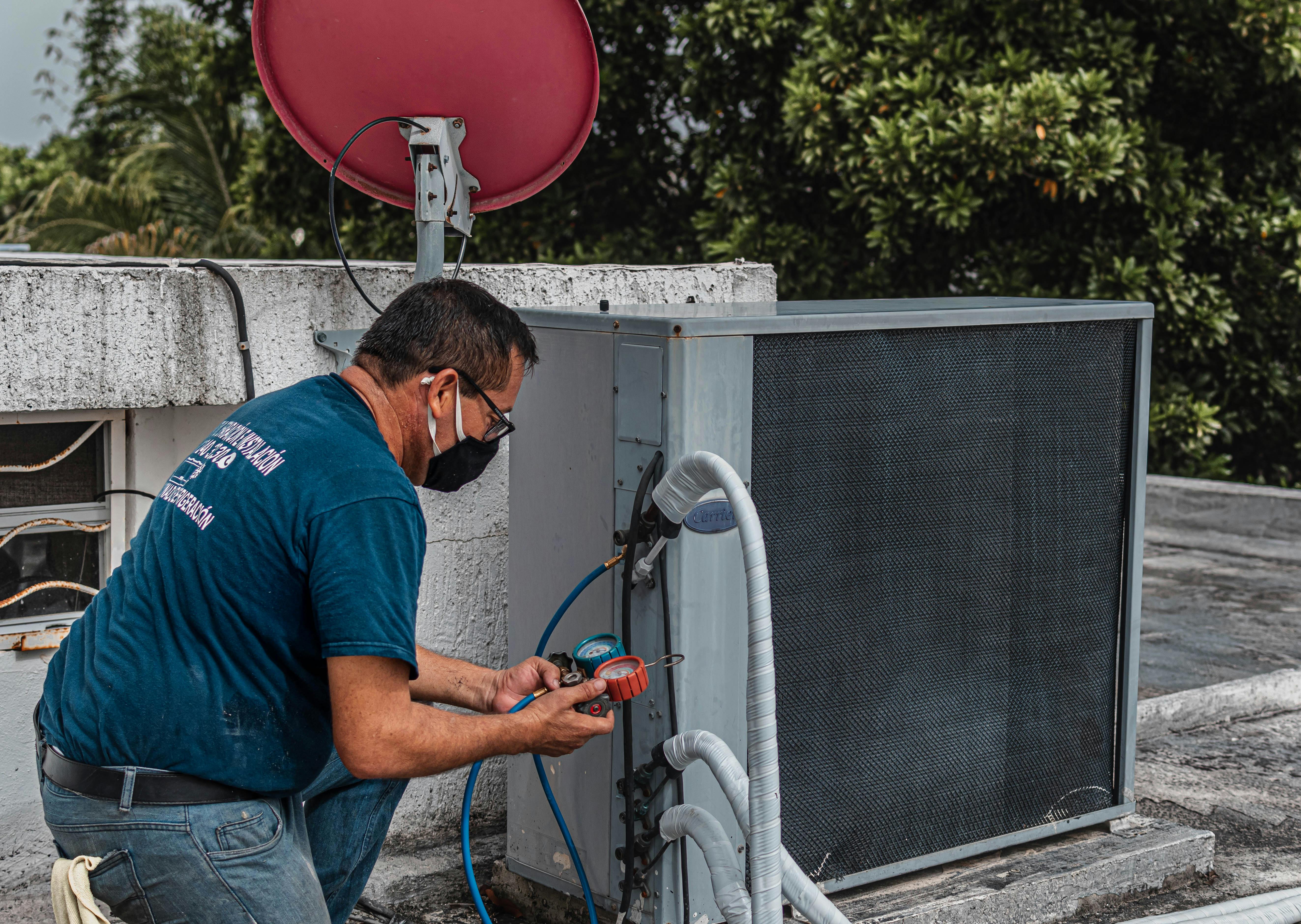
Maintenance is another high-return move. A dirty air filter, clogged outdoor unit, or poorly sealed duct system can make an air conditioner run longer than necessary. For homeowners, weather-stripping doors, sealing leaks, and adding attic insulation can produce noticeable savings. For renters, even low-cost fixes such as blackout curtains and draft blockers can help reduce cooling loss.
It also pays to ask the utility about billing options. Budget billing, time-of-use plans, arrearage management, and energy audits may soften the blow. Families under financial strain should also check whether local agencies, nonprofits, or state programs offer summer cooling help, because assistance is often limited and easier to access before a crisis becomes urgent.
What policymakers and utilities will be pressured to do
NEADA is using this warning to push for a larger federal response, including a call for $7 billion in LIHEAP funding for fiscal year 2027. That request reflects a belief that existing assistance is no longer keeping pace with modern energy burdens, especially as extreme heat becomes more common. Recent LIHEAP funding history shows support has fallen well below the pandemic-era peaks, even as affordability pressures remain intense.
Utilities and regulators are also likely to face tougher scrutiny over rate design, shutoff policies, and consumer protections during heat season. In many states, debates are intensifying over how to pay for grid upgrades without overwhelming households that are already one emergency away from financial trouble. That tension is likely to define energy policy far beyond this summer.
For consumers, the immediate takeaway is blunt. The forecasted $792 average is not just another statistic; it is a warning that electricity is becoming a larger and less flexible share of the family budget. If summer 2026 turns hotter than expected, many Americans may discover that the real cost of staying cool is even higher.