

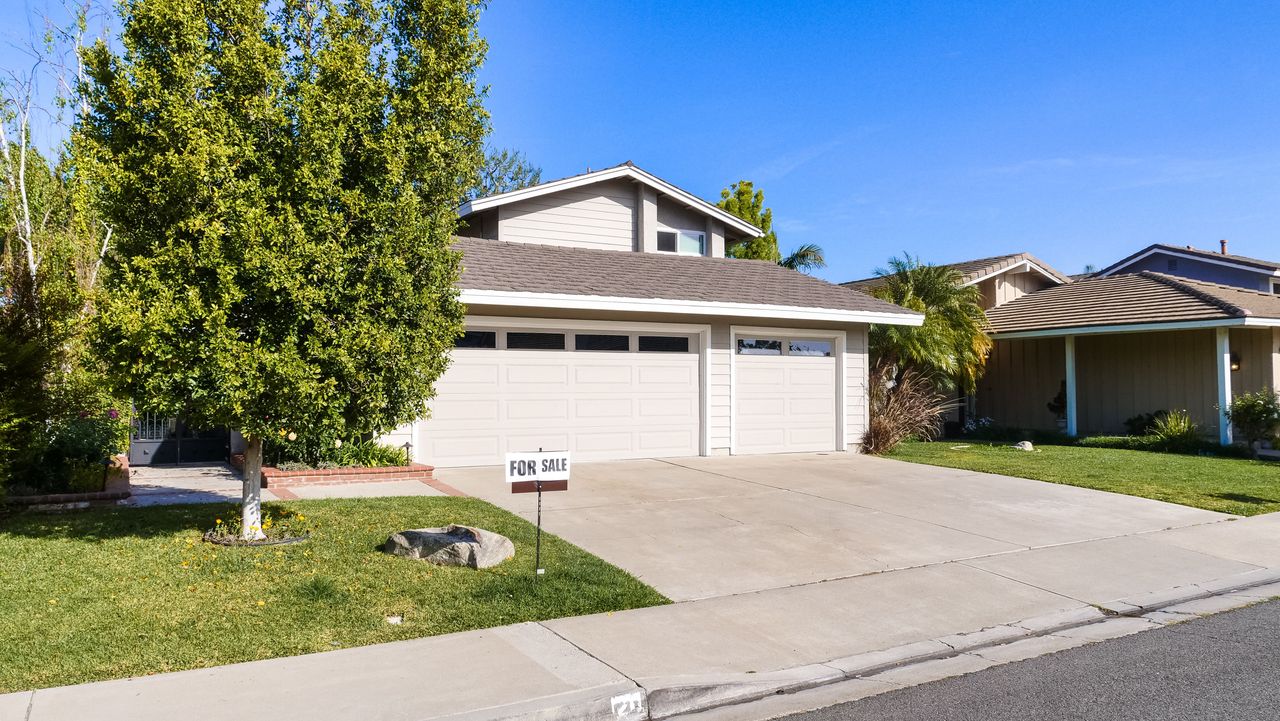
The American starter home used to signal a modest first step. In much of the country, it now signals a seven-figure barrier.
A striking milestone in the housing market

Zillow’s latest analysis found that 242 U.S. cities now have typical starter homes valued at $1 million or more, up from 80 in February 2020. That is a dramatic expansion in just over six years, and it captures how profoundly the pandemic-era housing boom reset price expectations for first-time buyers.
The definition matters. Zillow classifies a starter home as one in the bottom third of home values within a market, not a large luxury property. In other words, these are supposed to be the most accessible owner-occupied options for buyers trying to get into the market, yet in hundreds of places, they now carry a millionaire’s price tag.
According to Zillow, the typical starter home nationwide is still far below that threshold, at about $198,649. But the national figure masks the widening gulf between affordable regions and high-demand local markets. For buyers shopping in expensive metro areas, the phrase “starter home” increasingly describes price tier, not affordability.
This is why the new count matters beyond the headline. It shows that the affordability crisis is no longer confined to a handful of elite coastal enclaves. Instead, the pressure has broadened geographically and become embedded in the lower end of the market, where younger households have traditionally begun building wealth through homeownership.
How the surge spread across more states
Before the pandemic, million-dollar starter homes were concentrated overwhelmingly in a few coastal states. Zillow says that has changed sharply: 26 states now have at least one city where a typical entry-level home costs $1 million or more, compared with just nine states before the pandemic.
California remains the epicenter. Recent coverage of Zillow’s findings notes that the state alone accounts for more than 100 of these cities, underscoring how deeply constrained supply and high incomes continue to support extraordinary price levels. But the bigger story is the spread beyond California into places that were once considered relatively insulated from ultra-premium entry prices.
New York, New Jersey, Massachusetts, Florida, and Washington have all become major contributors to the trend. In many of these markets, affluent suburban communities near job centers have seen starter-home values pushed up by a combination of scarce inventory, strong household formation, and buyers willing to stretch budgets for school districts, commute access, and neighborhood stability.
The map is also telling because it includes interior and smaller states that were largely absent from this conversation a few years ago. Zillow has pointed to the pandemic as a turning point that redistributed housing demand, extending million-dollar starter pricing from a narrow coastal phenomenon into a broader national affordability challenge.
Why entry-level homes have become so expensive
The simplest explanation is supply and demand, but the full picture is more layered. During the pandemic, mortgage rates initially fell to historic lows, which expanded buying power and intensified competition. At the same time, a limited stock of homes for sale meant that entry-level properties drew bidding wars from first-time buyers, move-up shoppers and investors alike.
Starter homes became especially vulnerable because they occupy the market’s tightest segment. Builders have spent years producing fewer smaller, lower-cost homes than the country needs, partly because land, labor, materials and regulatory costs make entry-level construction less profitable. That structural shortage existed well before 2020, then collided with a sudden burst of demand.
Remote and hybrid work added another force. Buyers with large-city salaries increasingly searched farther from traditional urban cores, bringing stronger purchasing power into suburban and secondary markets. That reshuffled local price ladders and pushed formerly attainable neighborhoods into new territory, especially where zoning limits and slow permitting prevented rapid supply growth.
Even as mortgage rates later climbed, prices did not fully unwind. Homeowners who locked in cheap loans were reluctant to sell, keeping resale inventory constrained. The result has been a market where elevated borrowing costs reduced affordability, but persistent scarcity kept valuations high enough that even lower-tier homes in many cities remained out of reach.
What this means for first-time buyers

For aspiring homeowners, the rise of million-dollar starter homes changes the math at every stage. The down payment hurdle becomes far steeper, monthly payments swell, and buyers must meet tougher income and credit standards. In many expensive cities, purchasing even a modest home now requires either exceptional earnings, family assistance or years of delayed saving.
That shift has social consequences as well as financial ones. Homeownership has long been a primary way U.S. households build equity and intergenerational wealth. When entry-level ownership is postponed or abandoned, younger households may miss years of asset growth, while renters remain exposed to rising housing costs without the same capacity to benefit from appreciation.
The burden is not felt evenly. High-cost metros often offer stronger wages, but those gains are frequently outpaced by housing inflation. Professionals in education, health care, public service and other middle-income fields can find themselves priced out of the communities where they work, which in turn affects labor supply, commuting patterns and neighborhood diversity.
Some buyers are adapting by widening searches, accepting smaller homes, purchasing older properties that need work, or considering condos and townhomes instead of detached houses. Others are relocating entirely. The practical definition of a starter home is being rewritten in real time by what households can finance, not by what they would ideally choose.
The markets that best illustrate the shift

The most obvious case studies are affluent suburbs surrounding major employment centers. In the Bay Area, Southern California, the New York metropolitan region, Boston’s suburbs and parts of South Florida, even homes at the lower end of the local market can easily clear the $1 million threshold. These are not always large homes; often they are simply small properties in supply-starved places.
Seattle-area suburbs offer another vivid example. Recent regional reporting on Zillow’s data showed multiple Washington communities joining the million-dollar starter club, reflecting the combination of tech-driven incomes, limited land and steady competition for family-sized housing near job hubs. Similar patterns appear in suburban New Jersey and New York commuter towns.
What makes the trend noteworthy is not just the usual expensive zip codes, but the number of places entering the category for the first time. Once a market crosses the $1 million line at the starter level, it signals that affordability stress has moved below luxury housing and into the mainstream ownership pipeline.
That threshold also changes market psychology. Sellers anchor expectations to recent comparable sales, buyers fear being permanently locked out, and local officials face growing pressure to address housing availability. A symbolic number becomes a self-reinforcing signal that the community has entered a new pricing era.
What could ease the pressure from here?

There are some signs of moderation, even if they fall far short of a reset. Zillow’s earlier 2025 analysis showed the count of million-dollar starter-home cities slipping slightly from the start of that year as inventory improved and price growth cooled in some markets. That suggests the problem can soften when supply and buyer demand become better balanced.
Still, lasting relief will likely require more homes, especially at the lower end. Economists across the housing industry have repeatedly argued for faster permitting, zoning reform, denser development near jobs and transit, and policies that make small-lot and entry-level construction more feasible. Without structural supply growth, affordability gains are likely to be limited and uneven.
Financing solutions can help at the margin. Down payment assistance, mortgage products designed for first-time buyers and expanded support for condo development may create more entry points. But these measures do not substitute for a larger stock of homes that ordinary households can realistically afford.
The broader takeaway from Zillow’s data is clear: the starter home is no longer a simple rung on the ladder in many U.S. cities. It has become a stress test for the housing market itself, revealing just how far prices have climbed and how urgently the country needs more attainable paths into ownership.